One number to call
Paper wasps, hornets or yellow jackets: same line.
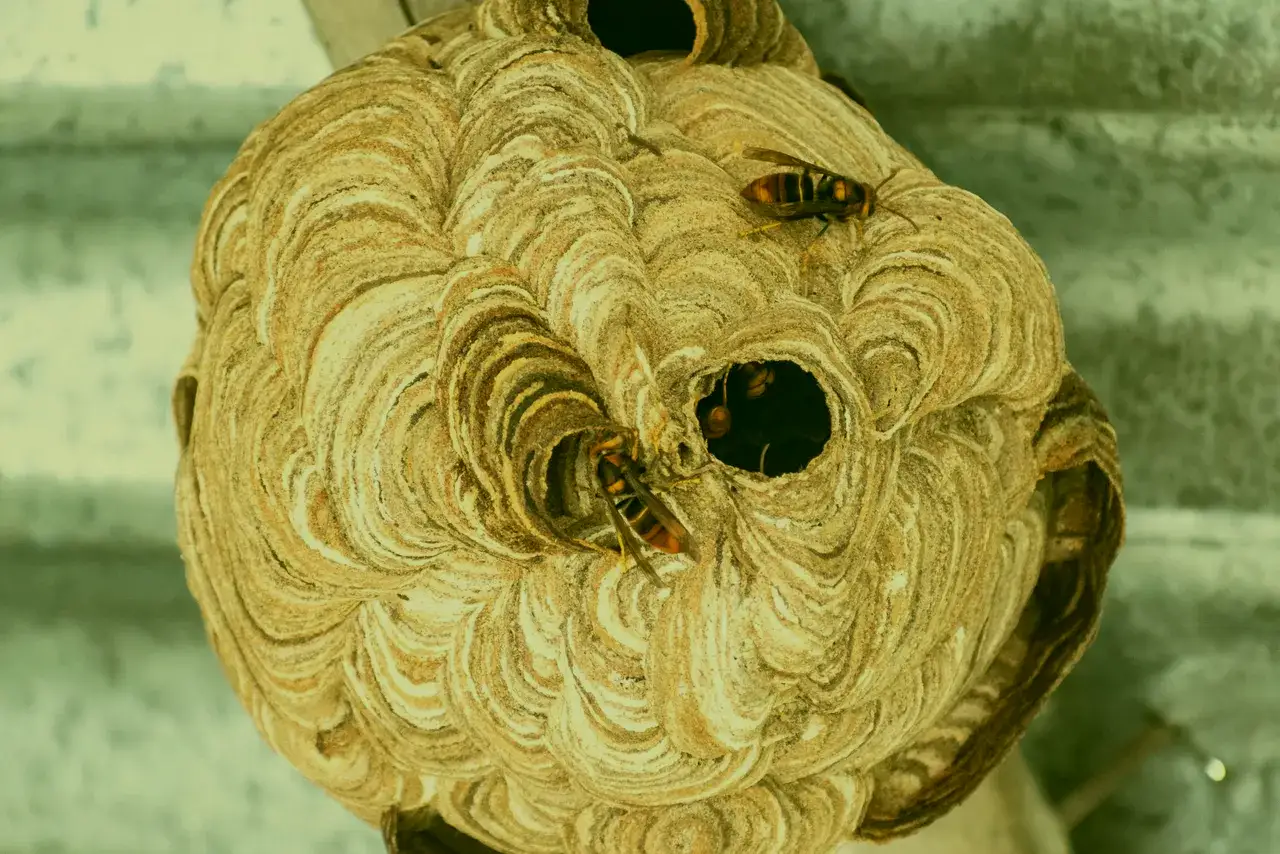
Hornet nest removal in Lewisville nearly always means the baldfaced hornet. The Texas Apiary Inspection Service notes that it is the only "hornet" known in Texas and is actually a yellowjacket. Its nest is a large, enclosed paper structure hung in a tree, a shrub or under the eaves, with the colony's comb hidden inside the outer shell. An AgriLife entomologist says established yellowjacket and hornet colonies should be handled by professionals. A call here reaches an independent local provider, who can look at the nest and talk through the options.
Paper wasps, hornets or yellow jackets: same line.
The provider confirms what is nesting before treating.
Routed to a provider that works in your ZIP code.
Look the company up on TDA’s license list.
Providers usually scope hornet work from what they see on a first look, so get the plan explained before anyone goes near the nest. Most plans explain how the colony is treated, whether the nest is taken down afterward and whether a return check is included. Ask about entry points near the house too.
An enclosed nest has to be treated through its entrance, so the provider first finds the opening and notes how high the nest hangs. Branches, wires, walkways and nearby windows all shape how the job is approached and where people should stay while it runs.
The colony lives inside a papery shell, so treatment has to reach the comb rather than just the outside. Many providers work early or late in the day, when most of the colony is home. Let the provider choose the timing and the method.
Once the nest is inactive, a provider may cut it down and bag it where it can be reached safely. A nest high in a tree is sometimes left in place instead. AgriLife notes that abandoned yellowjacket nests are not reused. Ask which applies to yours.
After treatment, the provider commonly watches the entrance for returning hornets and checks nearby trees and eaves for a second nest. Ask what record you receive afterward, such as where the nest was, what was done and whether anything remains to watch.
Some providers book a short return visit to confirm the nest stayed quiet and nothing new started nearby. Ask whether one is planned, whether it is included in the cost and what happens if hornets are still flying at the entrance by then.
Describe the nest and where it is, and a local provider explains the next step.
Hornet nest removal in Lewisville means treating a baldfaced hornet colony inside its enclosed paper nest and, where it can be reached safely, taking the nest down afterward. Because the baldfaced hornet is actually a yellowjacket, a provider approaches it with the same care as any established yellowjacket colony. A provider typically wears protective gear, uses a ladder or extension pole for high nests and plans the work around where people walk, play and park, rather than rushing straight at the nest.
Where a hornet nest hangs in Lewisville often depends on the kind of home it is near. Census figures show 53.7 percent of occupied homes are rented and 40.0 percent of housing units are in buildings with five or more units, so a nest in a courtyard tree or under a shared eave can sit above many front doors at once. In those cases the property manager usually arranges access. In single-family subdivisions, yard trees and second-story eaves are common nest sites. Ask the provider how they would reach yours and how long the job may run.
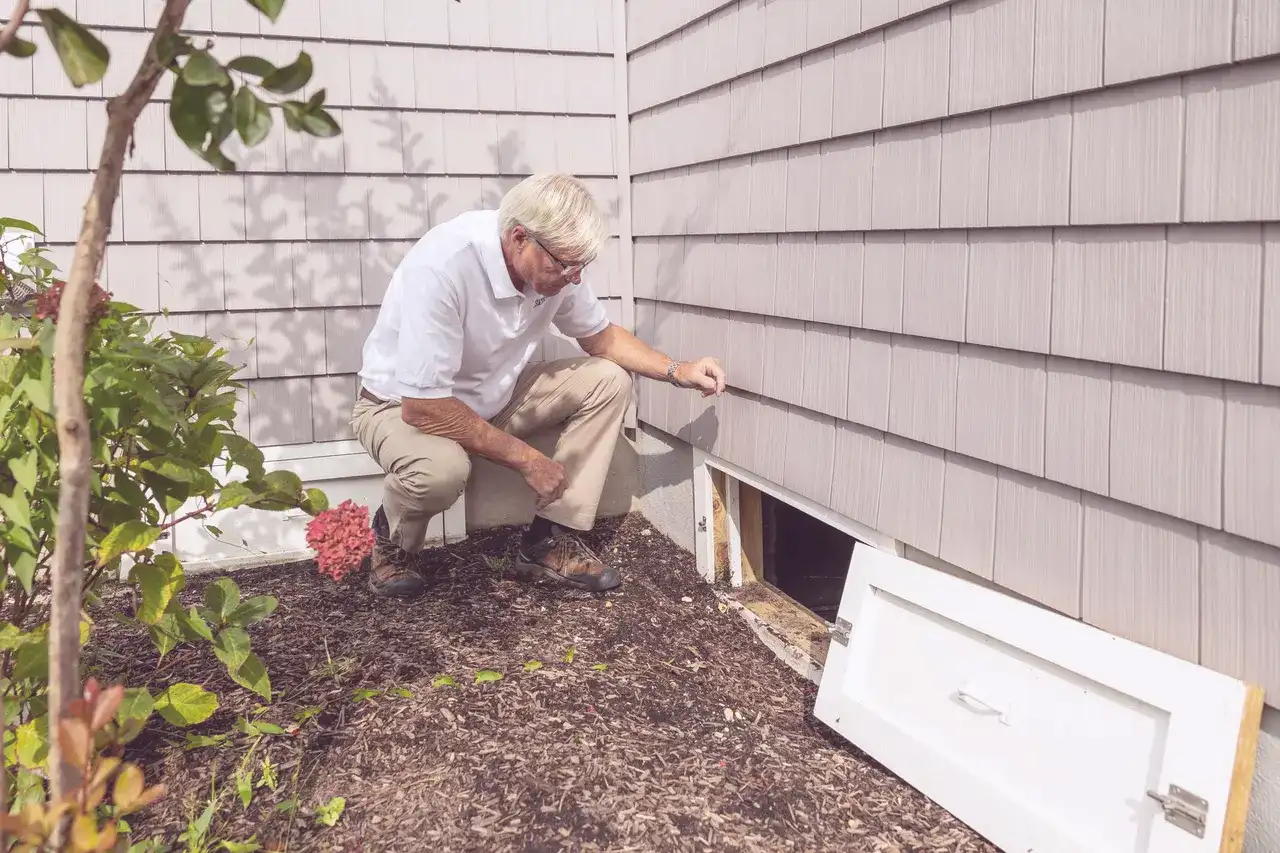
Most jobs start with a look at the nest from a safe distance: its height, its size, where the entrance faces and what sits below it. The provider also checks nearby trees, eaves and shrubs for a second nest. That first look should settle the scope before any cost is given.
Expect a few requests from the provider: keep children and pets indoors, keep people away from the area under the nest, close nearby windows and leave the nest alone. The provider's own instructions come first, and a quick question beforehand beats guessing on the day.
Workers usually put on protective suits and veils before approaching. A ladder, a lift or an extension pole may be set up for a high nest, and the area below is kept clear. A low nest in a hedge needs far less setup than one near the top of a tall tree.
The colony is treated through the nest's entrance, often early or late in the day when most hornets are inside. The provider decides the method and how long to wait before going near the nest again. Ask how long the area should stay off limits.
Once activity stops, providers often take the nest down and bag it where it is safe to reach, then check nearby eaves and trees again. Some suggest a return visit to confirm nothing has restarted. Ask what happens if hornets are still active by then.
Full suits with veils and gloves let a provider work close to an active nest. Ask what gear they wear, especially for nests at head height or above.
Used to reach nests under second-story eaves or high in trees. Ask how the provider keeps a ladder steady near an active colony.
Let a provider reach a high nest's entrance from a safer distance than a ladder alone allows. Ask whether your job calls for one.
Help a provider check a tall nest's entrance and activity from the ground before anyone climbs. Ask whether they photograph the nest for your records.
Heavy bags hold a nest once it has been cut down, so the paper shell and anything left inside are taken away together.
Some providers trim small branches to reach the entrance or to take an inactive nest down. Ask before any trimming starts.
After treatment, the provider usually says how far back people and pets should stay from the tree or eave, and for how long. Ask where that line sits.
Because the colony lives inside an enclosed paper shell, treatment is aimed at the entrance so it reaches the comb, not just the outer layers. Everything else in the visit supports this part. The provider decides the method and timing, often early or late in the day.
Before calling a nest finished, providers often watch the entrance and the surrounding branches for hornets still coming and going. A nest with ongoing traffic may need more time or another treatment. Ask how the provider confirms the colony is done.
Once a nest is inactive, a provider may cut it down, bag it and carry it off with the comb inside. A nest too high to reach safely may be left; AgriLife notes abandoned yellowjacket nests are not reused.
If hornets were using a gap in the eaves or siding, ask whether it should be sealed and when. AgriLife advises that a yellowjacket entrance in a wall generally should not be sealed until the colony has been eliminated.
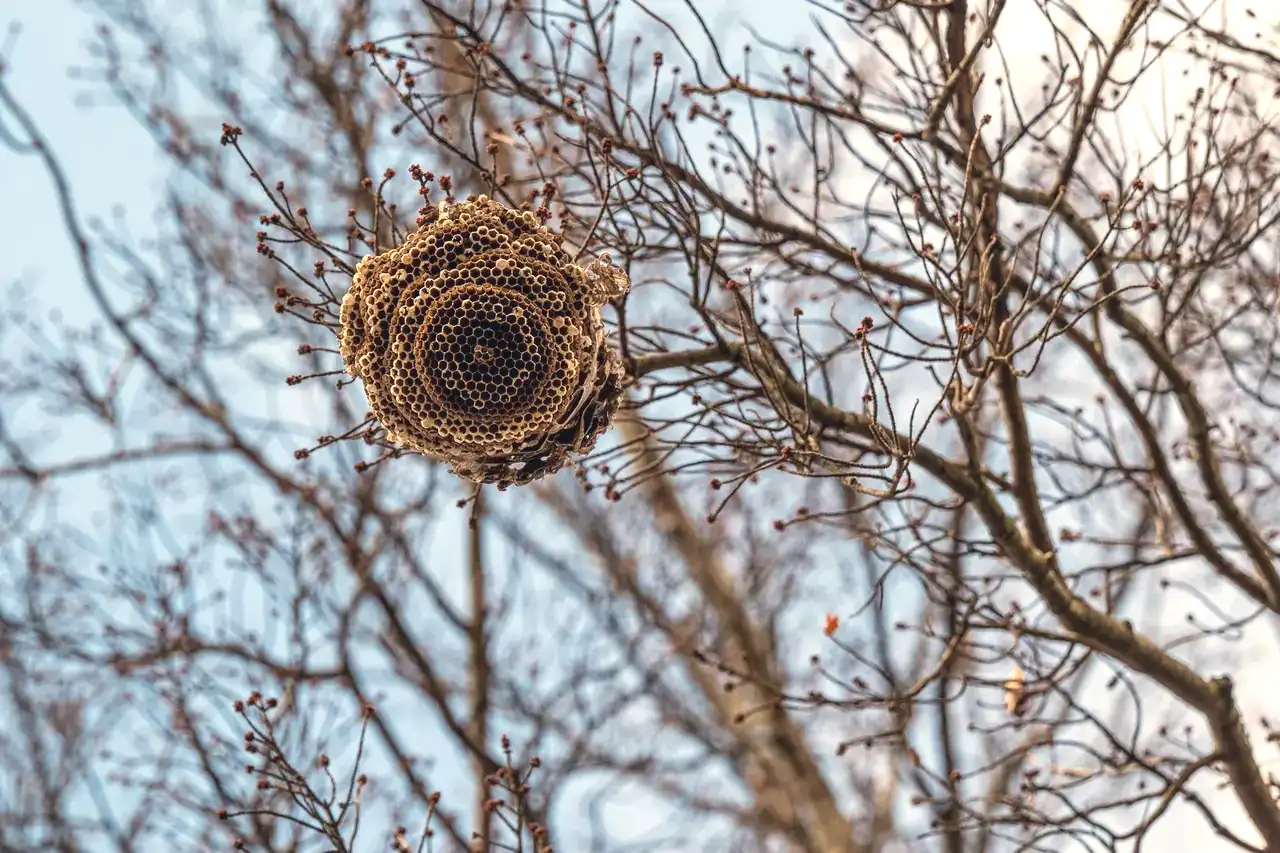
A provider can look at the nest, confirm whether it belongs to baldfaced hornets and explain how it would be treated and taken down. If the tree overhangs a sidewalk or a neighbor's yard, mention it on the call. Keep people and pets away from the trunk and branches, and avoid mowing, trimming or blowing leaves underneath until the provider has been out.
The provider may need access from both sides or from the common area below. In a townhome or HOA community, the manager or association usually arranges that. Ask how the provider plans to reach the nest and how neighbors will be told to stay clear.
Nests in dense shrubs are easy to bump with a hose, a trimmer or a passing shoulder. A provider may treat the nest in place, then cut it out once inactive and check the rest of the hedge. Use another door until the job is done, if you can.
A provider can look at the nest, treat it and check the nearby trees and building edges. Ask about timing that keeps visitors, staff or residents away while the work happens, and whether a second entrance can be used. Property managers usually arrange access and notices.
Lewisville's housing affects how a hornet job is planned. The median home was built in 1997; 14.3 percent of units date from before 1980 and 23.1 percent from 2010 or later, so a provider may work around older houses near Old Town one day and a newer subdivision the next. In rentals, which make up 53.7 percent of occupied homes, courtyard trees and shared eaves put one nest above many doors, so the manager usually arranges access and notices. Texas A&M AgriLife says yellowjacket colonies, the group the baldfaced hornet belongs to, reach their largest size by August or September, and most nests die after the first hard frost. At Dallas/Fort Worth, the average first freeze is November 22. Whoever takes the call is an independent local provider, and they set the visit time.
Old Town in ZIP 75057, the city's first commercial center, with nearby Tanglewood and Heritage Square. Ask how a nest over a sidewalk, porch or shop entrance is handled.
Vista Ridge Estates in ZIP 75067, a registered neighborhood near Valley Oaks and Southridge. Keeping people out of the yard below a nest helps the work go smoothly.
Also in ZIP 75067, near Highpoint Oaks Estates. Ask after the first look whether more than one nest needs work.
Lewisville Valley, The Highlands and Vista Oaks, in the Lewisville part of 75077. Owners with nests at two addresses can mention both on one call.
Texas A&M AgriLife says yellowjacket colonies reach their largest size by August or September, and new queens and males emerge in October and November. Late summer is when many people first notice a large nest.
In apartment and townhome communities, one nest can hang above several doors or a walkway. Providers often coordinate with the manager, who arranges access and tells residents which paths to avoid.
High nests take more setup, whether a ladder, a lift or an extension pole. Providers still check the entrance for activity before they call a nest finished or take it down.
Most yellowjacket nests die after the first hard frost, and abandoned nests are not reused. At Dallas/Fort Worth the average first freeze is November 22, so ask whether a late-fall nest still needs work.
A tenant notices a large paper nest in the tree outside an upstairs window. Hornets keep bumping the screen, and the family keeps the window shut. The tree also shades the parking spaces below, so neighbors walk under it every day.
A provider would normally look at the nest from the ground, coordinate access with the manager, treat the colony through its entrance and take the nest down once it was inactive. A return check shows whether anything is left.
Afterward: A note to residents about the tree, a check of nearby eaves and a return look on the schedule the provider suggests.
A homeowner finds a large, enclosed paper nest under the eave above the back patio. With a toddler at home, the parents want to know which insect it is and how soon the patio is usable again.
A provider might confirm baldfaced hornets from a distance, treat the colony through the entrance and remove the nest once it is quiet. Mentioning the toddler early lets the provider explain what will be used and how long to keep clear.
Afterward: A check of the whole roofline, a quiet entrance before the nest comes down, and a return visit if suggested.
Tenants in two units of a small rental building report hornets around a shared side yard. The owner finds a paper nest in a hedge along the fence, and tenants have stopped using the side door.
A provider may treat the nest in place, cut it out of the hedge once inactive and check the building's edges. Tenants need to know when to stay clear, and a return check confirms the end.
Afterward: Entrance checks, a look along every unit's eaves and a written note the owner can share with tenants.
Hornet colonies keep growing through the summer, and their nests often hang where people pass every day. The cases below are common hornet calls from Lewisville, with the way a removal usually proceeds.
A nest above a front door or a garage means people pass under it many times a day, and a slammed door or a bump can set off a defensive response. Keep that entrance closed if another is available. A provider can treat the colony at a quiet time of day and take the nest down once it is inactive. Ask what the plan covers.
Children run, climb and swing without looking overhead, so a nest in a tree near a play set or trampoline is a real worry. Keep children out of that part of the yard until a provider has been out, and ask how long it stays off limits and whether nearby trees hold a second nest.
If anyone shows signs of a severe allergic reaction, such as trouble breathing or swelling of the face or throat, call 911. For other reactions, seek medical care. Mention the allergy when you call, so the provider can plan the timing and keep the area clear while the work runs.
An enclosed paper nest in a tree usually points to the baldfaced hornet, the only "hornet" known in Texas, which is actually a yellowjacket. An open comb under the eaves points to paper wasps, and wax comb with fuzzy insects points to honey bees, which this line does not handle. A provider can confirm the type before suggesting a plan.
Set by the provider after seeing the nest
No costs are given on this site. The provider decides the cost after seeing the nest, and it mostly depends on how high it hangs, how hard it is to reach, its size, whether there is more than one nest and whether a return check is planned. A nest at head height in a shrub is a different job from one high in a tree, so have the provider walk you through how yours is figured. Confirm what the total covers, return visits included, before saying yes.
Ask what the cost includes: the first look, the treatment, taking the nest down, disposal and any return check. Also ask whether working at height or trimming branches is extra, so the total is clear.
A nest at eye level in a hedge takes less setup than one high in a tree or under a second-story eave, which may need a ladder, a lift or an extension pole and more time on site.
Branches, power lines, fences and steep ground can all make a nest harder to reach safely. When the area underneath is crowded, the job may take longer. Following the provider's instructions beforehand helps the visit go smoothly.
A second nest in a nearby tree or under another eave adds to the job. In apartment and townhome communities, ask the provider and the manager how nests in shared areas are handled.
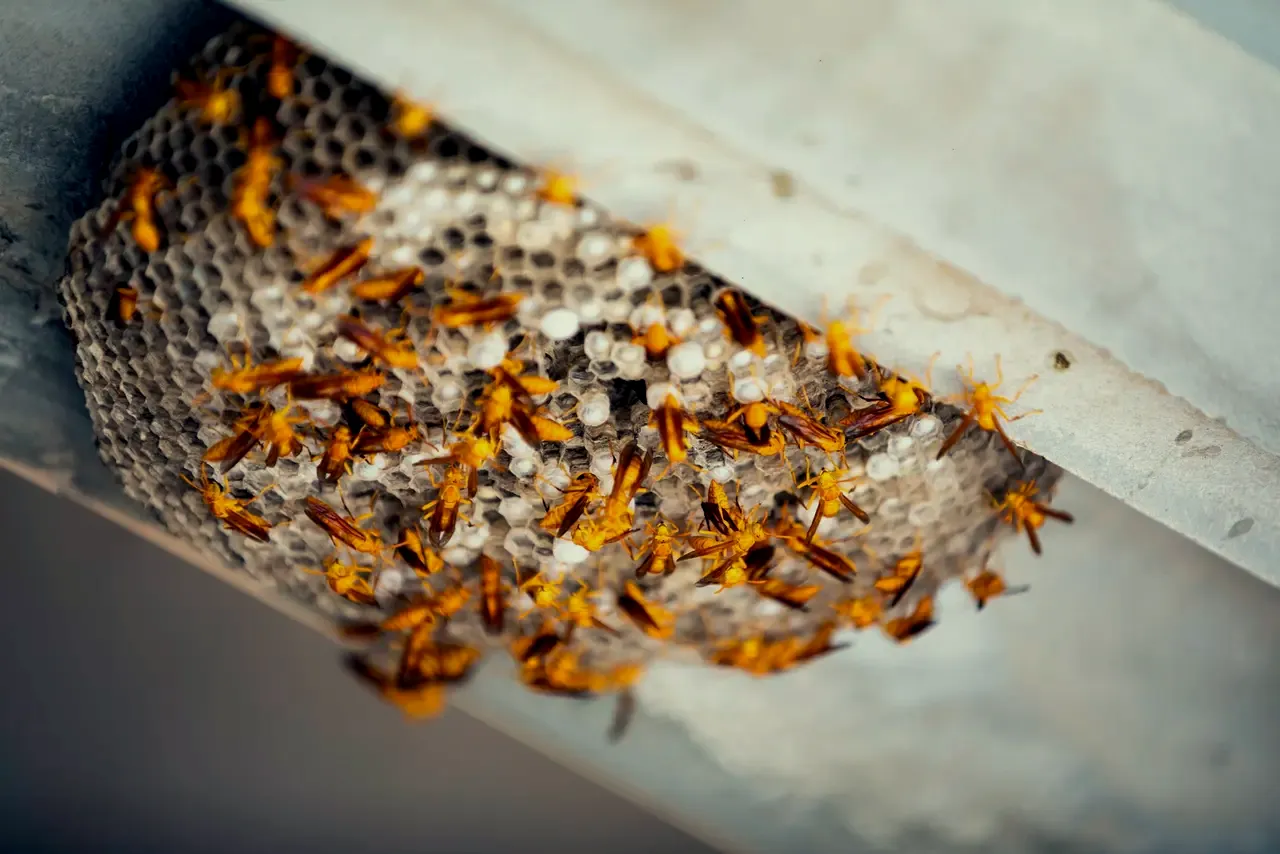
A large, busy nest late in the summer may take more time than a small one in spring. Taking the nest down and disposing of it may be costed separately.
A property with no parking close to the nest, or a request for an early or late visit, can add time. Ask the provider whether either changes the cost, so you know before the visit.
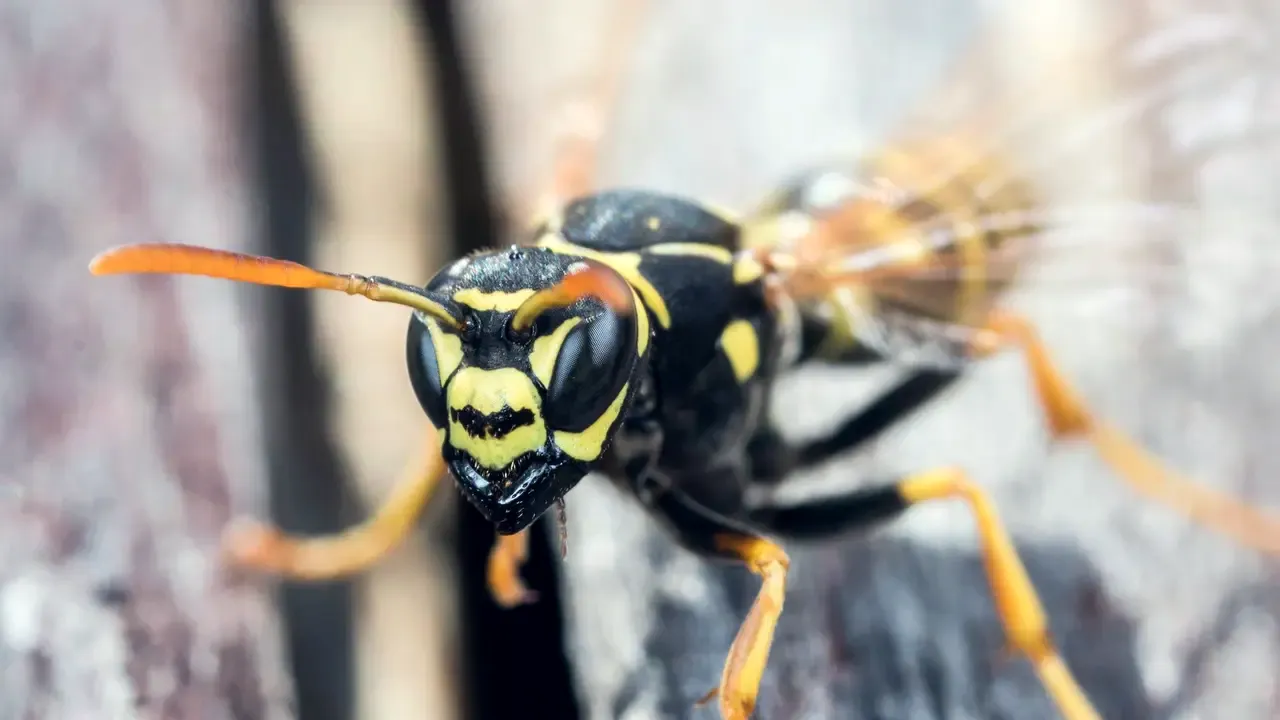
This referral line never treats a nest itself, so checking the provider falls to you. The Texas Department of Agriculture publishes current-license lists for structural pest control. The Texas Apiary Inspection Service notes that the baldfaced hornet is the only "hornet" known in Texas and is actually a yellowjacket, and an AgriLife entomologist says established colonies should be handled by professionals. For a nest in an Old Town shade tree or under a Vista Ridge Estates eave, ask the provider how they would reach it.
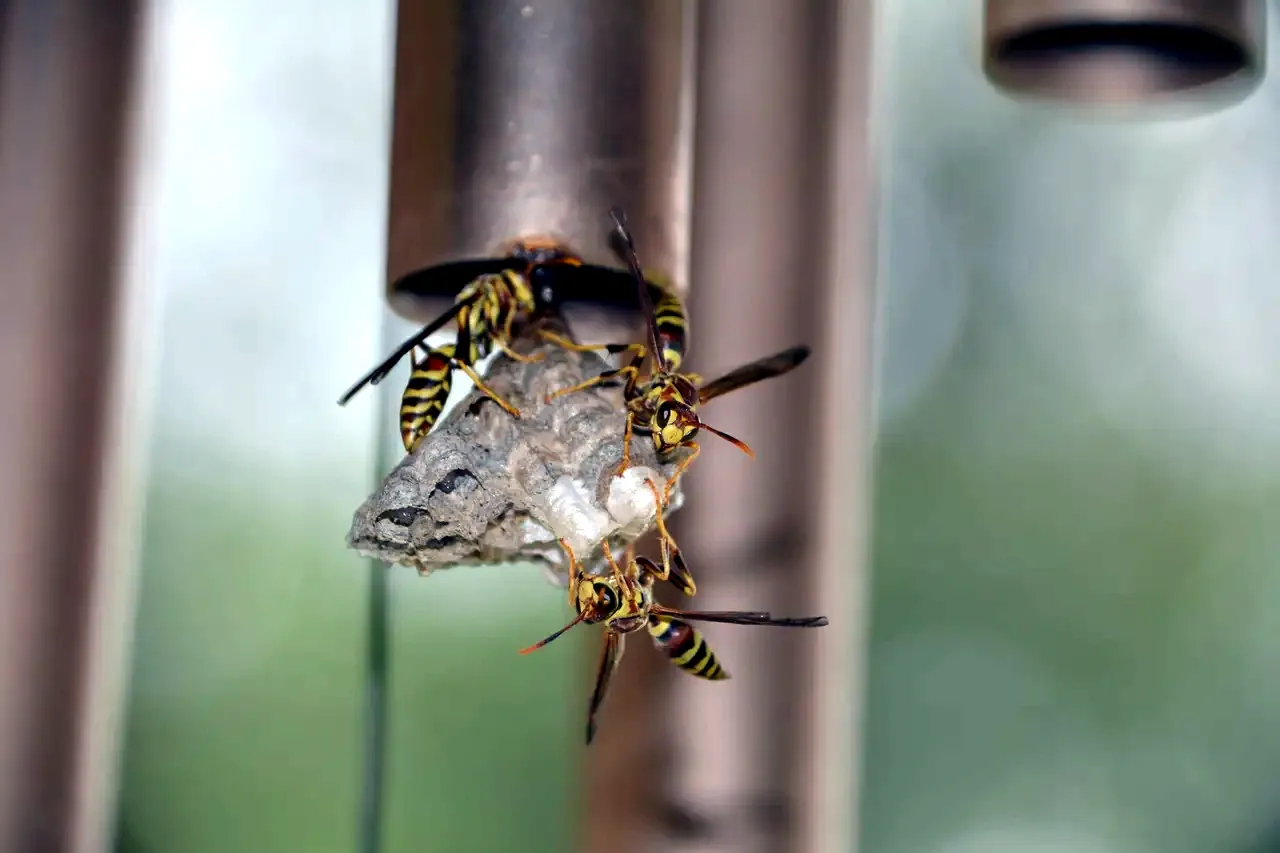
A homeowner with young children had a paper wasp nest taken off the eaves last year, and now a large enclosed nest hangs in the front yard tree. A provider would usually confirm the insect, explain how the colony is treated and whether the nest comes down, and give the cost. Expect instructions on keeping the family out of the yard.
A landlord with a small rental building hears about hornets in a shared side yard. The provider may treat the nest in one visit and check the rest of the property's eaves and trees. The landlord should ask how tenants are told to stay clear and whether a return check is included.
A renter in a second-floor apartment sees hornets at a large nest in the tree outside an upstairs window. The provider can say whether it is a baldfaced hornet nest and how it would be reached. The renter should tell the manager in writing so access can be arranged.
Not in the strict sense. The Texas Apiary Inspection Service notes that the baldfaced hornet is the only "hornet" known in Texas and that it is actually a yellowjacket. It builds an enclosed paper nest in trees, shrubs or under eaves, unlike the open comb of a paper wasp. An AgriLife entomologist says established yellowjacket and hornet colonies should be handled by professionals.
Height, reach and the number of nests set most of the timing. Many jobs fit within one visit, though a provider may wait before taking a treated nest down. Setup and the area around the nest matter as much as the treatment itself. Ask for an expected time frame on the call.
Texas A&M AgriLife notes that most yellowjacket nests die after the first hard frost and that abandoned nests are not reused. The baldfaced hornet is a yellowjacket, so an old nest is not normally moved back into. New nests can appear nearby in later years, so ask the provider what to watch for in spring and summer.
You will not find a figure here. Once the nest has been seen, the provider works out the cost from its height, size and access, how many nests there are and whether a return check is part of the job. Ask what the cost covers, including taking the nest down, so the total is clear before work begins.
Have a question this page does not answer? Call the referral line and a local provider can explain the options.
Ask a providerBefore any removal, a provider generally identifies the insect and finds every nest, checking eaves, trees, shrubs and the ground. Honey bees go to a beekeeper instead. That first look decides how big the job is.
View service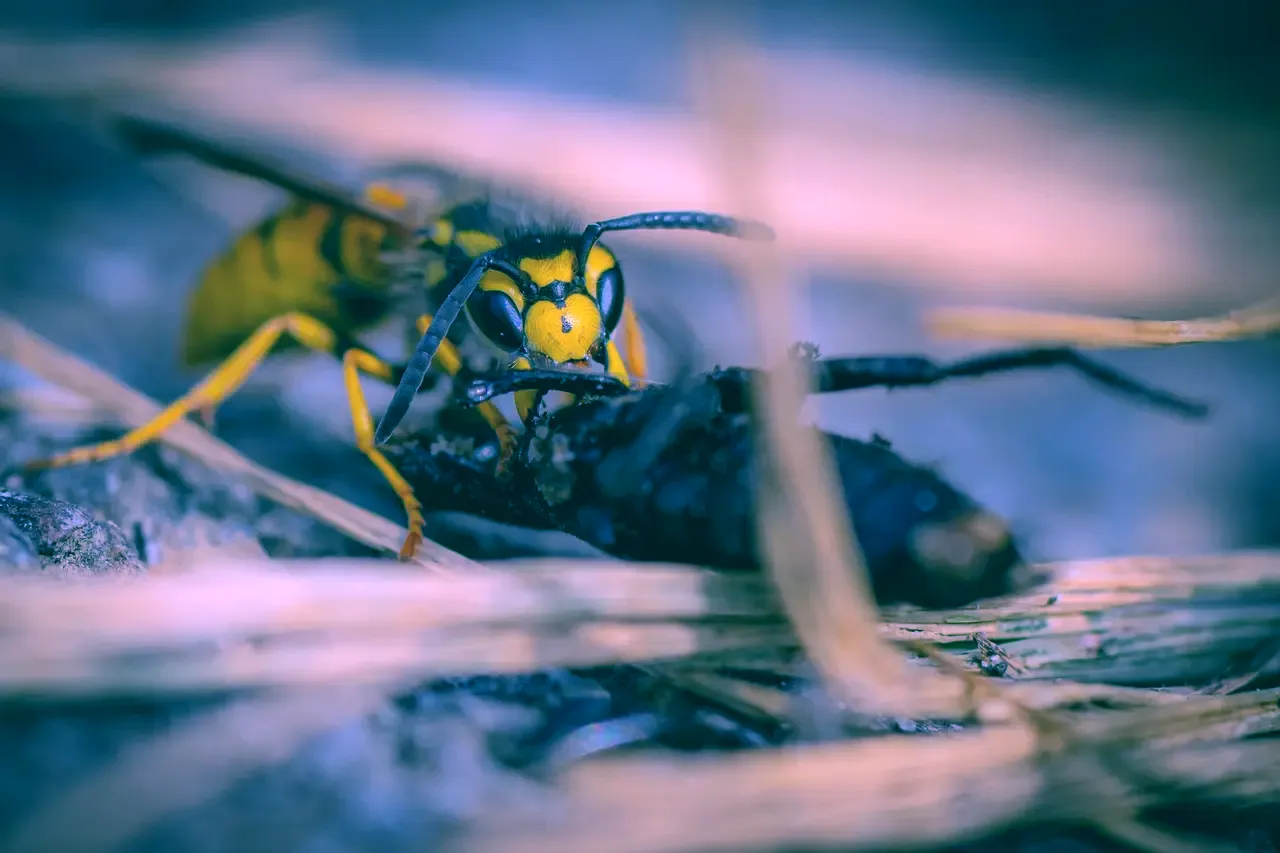
Yellowjackets mostly nest underground, though some move into wall voids. AgriLife advises not sealing a wall entrance until the colony has been eliminated. Colonies peak by August or September, when lawn nests are easy to step on.
View service
Apartment communities across Lewisville, where 40.0 percent of housing units are in buildings of five or more units, need nests in shared trees, breezeways and balconies handled together. Tenants report to the manager, who arranges access.
View service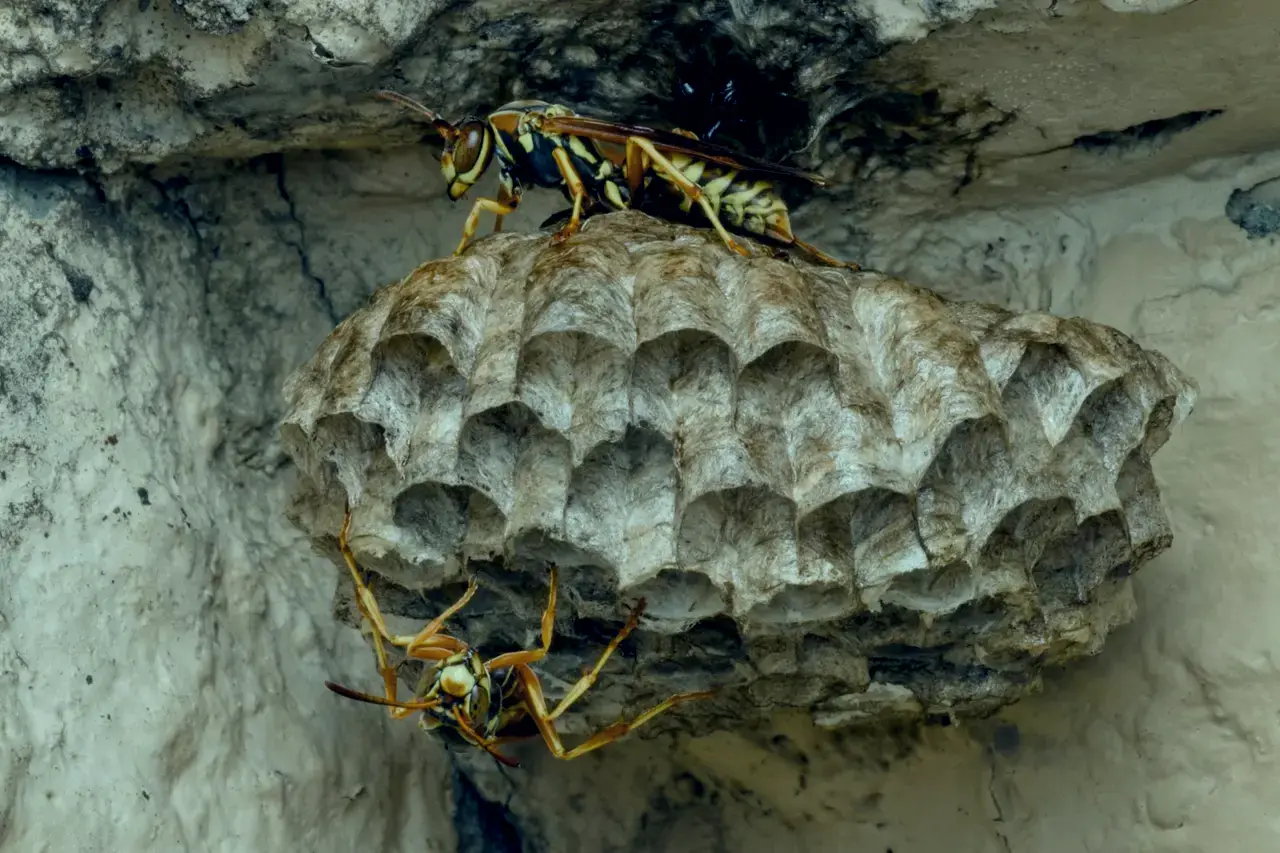
Some weeks after a nest is treated, many providers come back to confirm the entrance is quiet and check for new building nearby. Paper wasp queens often return to the same general spot the next spring.
View serviceDial the number above and a call-tracking service puts you through to an independent provider that works in Lewisville; the call may be recorded. Calls are connected 6 a.m. to midnight Central Time (7 a.m. to 1 a.m. during daylight saving time). Timing and cost are agreed between you and the provider.