One number to call
Paper wasps, hornets or yellow jackets: same line.
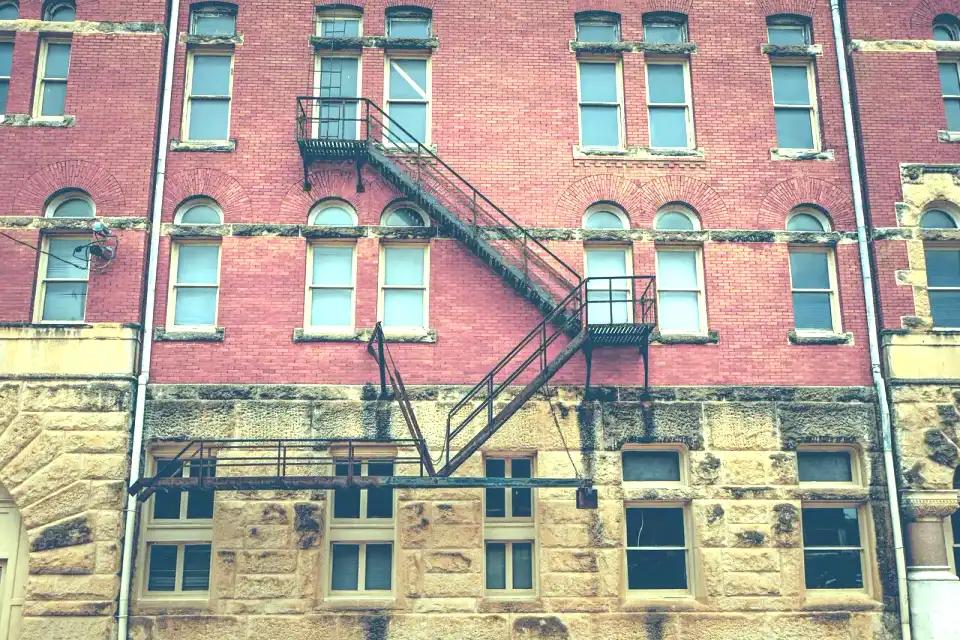
Apartment wasp nest removal in Lewisville goes better when the plan covers the whole building, since paper wasps and yellowjackets nest on balconies, breezeways and soffits that several households share. This referral line connects renters, owners, HOA boards and managers across Lewisville, TX with independent local providers who handle apartments, townhomes, duplexes and larger complexes. Lewisville is a renter-heavy city: 53.7 percent of occupied homes are rented.
Paper wasps, hornets or yellow jackets: same line.
The provider confirms what is nesting before treating.
Routed to a provider that works in your ZIP code.
Look the company up on TDA’s license list.
A typical apartment job has three parts: a walk around the building, treatment of the nests found, and a check afterward. Each provider decides what the quote covers and what costs extra, so ask before you agree. The parts of a Lewisville apartment job are laid out below.
A provider usually checks the reported balcony or unit and often the overhangs beside, above and below it, along with breezeways, stairwells, soffits and nearby landscaping. Some carry thermal cameras for wall nests; ask.
What the walk-around turns up decides the method. Paper wasp nests under an overhang are treated and taken down. Yellowjacket colonies in a wall are treated through the opening, which stays open until the colony is eliminated.
Once a nest is inactive, removing what can be reached clears the spot and makes a new nest easier to notice. Ask whether old nests on balconies and high soffits are taken down as part of the job or quoted as an extra.
A check a few days or weeks after treatment confirms the traffic has stopped and catches any new nest early. Ask the provider when that check happens and what the next step is if wasps are still active.
Request written notes listing where nests were found, what was treated and on which date, for every unit or building involved. Dated notes help renters, owners and managers stay on the same page. Return-visit terms belong to the provider, so get them in writing first.
Describe the nest and where it is, and a local provider explains the next step.
Apartment wasp nest removal in Lewisville means wasp work built for shared housing: finding, treating and then watching for nests on apartment buildings, townhomes, duplexes and rented houses, including balconies, breezeways, soffits, stairwells, fences and the wall voids yellowjackets sometimes move into. The provider you are connected with typically starts by walking the reported area and the buildings around it, then treats each nest at its opening and removes inactive nests where reachable. A check afterward shows whether activity has stopped. Check the provider on the Texas Department of Agriculture's current-license lists.
Lewisville has a lot of shared housing: 40.0 percent of its units are in buildings of five or more, and 45.9 percent in buildings of two or more. On those buildings, long rooflines and repeated balconies give paper wasps many sheltered spots, and one nest can sit above several front doors. Many calls follow a familiar pattern: one resident notices wasps on a balcony, and a neighbor reports a nest weeks later. Telling the manager early and getting the building checked keeps one nest from turning into several.
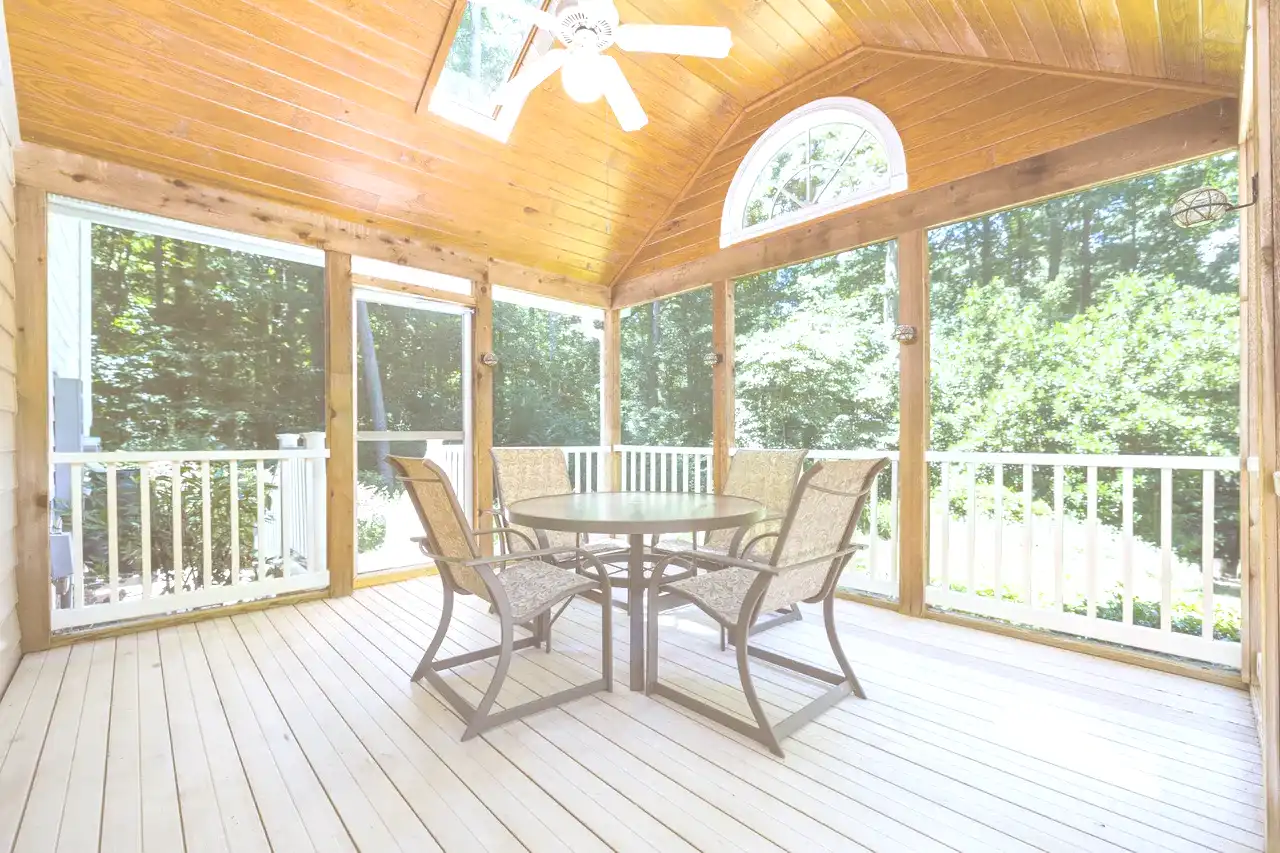
A call to this line goes to an independent local provider. Have your address or ZIP ready, along with where the nest is, roughly how big and how high it looks, and whether anyone nearby has a known sting allergy. The provider uses those details to choose between a quick visit and a wider walk-around, and sets the appointment.
The provider looks at the reported spot and usually the balconies and overhangs next to it, checking soffits, stairwells, breezeways, fences and landscaping. Some carry thermal cameras for wall nests; ask. Renters can help by sharing photos taken from a safe distance. The number of buildings checked sets how long it runs.
The cost is worked out by the number of nests, buildings and access needs, and you can ask to see it in writing before anything begins. A ground nest and a third-floor soffit nest take different equipment and time. On a shared building, sign-off normally comes from the owner, manager or association.
Residents keep balcony doors and windows closed and children and pets inside, as the provider's notice directs. Typical work includes treating paper wasp nests under overhangs, treating yellowjacket colonies at their openings and removing inactive nests where reachable. Wall entrances stay open until the colony is eliminated.
Many providers come back to confirm the traffic has stopped. If wasps are still active, ask how the provider handles a re-treatment. When the check shows no activity, get that in a written note for the file.
Providers commonly work in protective suits, veils and gloves near an active nest, especially on balconies or ladders where a quick retreat is hard. Ask what gear is used.
Certain providers carry thermal cameras for when a colony may be inside a wall or ceiling. Ask how any reading is confirmed by eye before an opening is treated.
Nests under second- and third-floor soffits often need tall ladders or a lift. Ask whether the provider has the access equipment your building's height calls for.
Extension poles let a provider reach a nest under a balcony ceiling or porch overhang from a safer distance. They are commonly used for paper wasp nests just out of reach.
Once a nest is inactive, it is scraped off and bagged so the spot is clear. Providers often check the area afterward for wasps that come back to it.
Providers apply sprays or dusts at the nest or its opening. Ask what will be applied near doors, walkways, play areas and pools, and how long residents should keep clear.
Between visits, residents can note from a distance any wasps still using a treated spot. Pass those notes to the manager.
Yellowjacket nests are mostly underground, often in landscaping near walkways and parking areas. The provider marks the opening, treats the colony there and keeps residents clear. Ask how long the area should stay roped off.
When yellowjackets nest inside a wall, the colony is treated through its opening. Texas A&M AgriLife advises not sealing a wall-void entrance until the colony has been eliminated, since a blocked colony may find its way into the units. Once the wasps are gone, the gap can be closed so another colony does not use it.
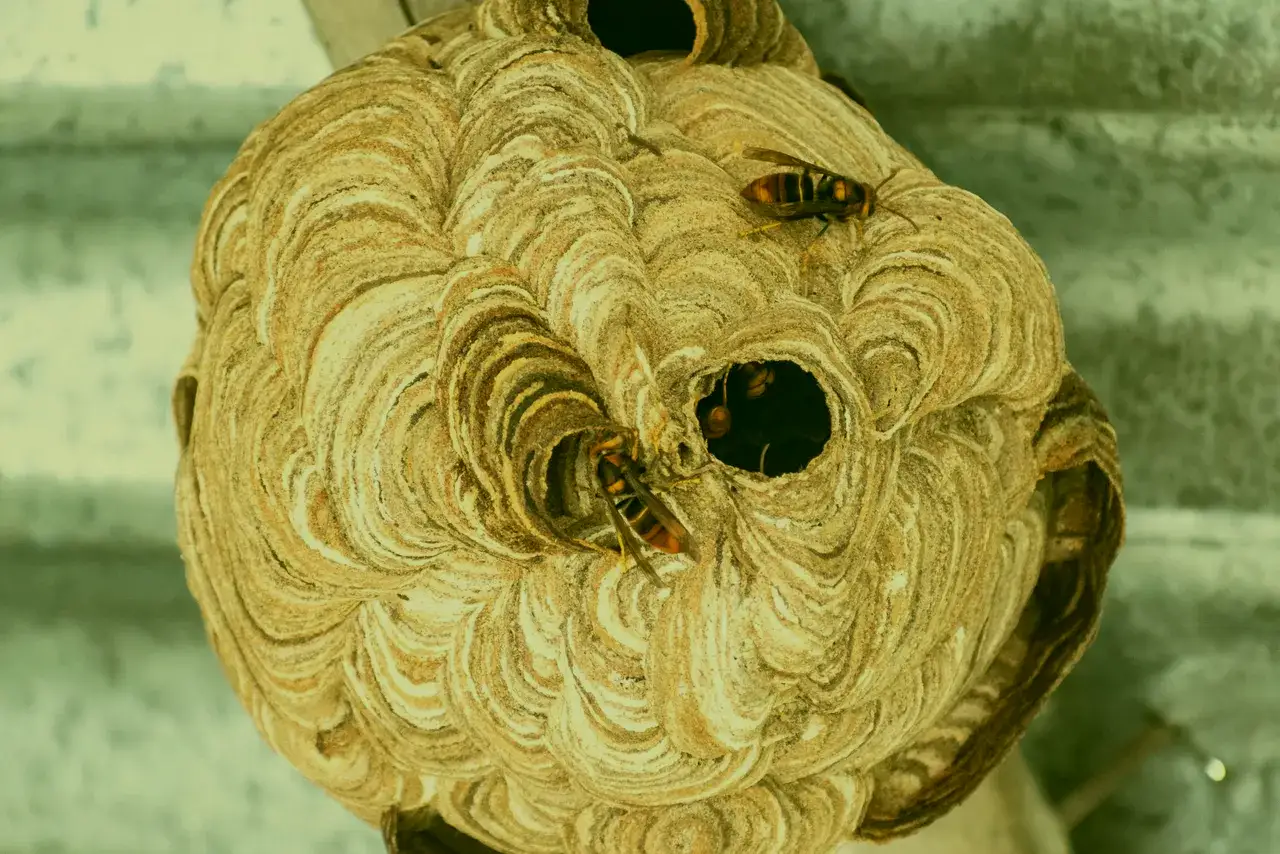
On apartment buildings, paper wasps build under balcony ceilings, stair landings and light fixtures as well as eaves. The provider treats each nest, takes it down once inactive and checks neighboring balconies. Nests can reach 6 to 8 inches across, so earlier is easier.
After the colony is dead, gaps in soffits, siding and around vents can be sealed so wasps are less likely to move back in. The provider can point out which openings the colony used, so the manager or owner can arrange repairs and residents know what was done.
The renter should tell the landlord or manager in writing, with dated photos taken from a safe distance. The manager arranges access to the balcony and the ones around it. A provider usually treats the nest, takes it down once inactive and checks neighboring balconies. If anyone is stung and has trouble breathing or swelling of the face or throat, call 911. Timing varies, so ask the manager what to expect.
An empty unit is usually easier to handle before the next renter arrives, since nobody needs to stay off the balcony. Many providers check the nearby balconies and soffits too, because paper wasps often build more than one nest on the same side of a building. File the notes with the unit before the next lease starts.
That pattern often calls for a building-wide approach: walking every side of the building and treating the nests found in one visit. Providers commonly check soffits, breezeways and landscaping, then return to confirm activity has stopped. Ask how the building will be quoted, and request notes for each area.
Begin with a walk of the common areas, then build a plan for each nest. The provider can explain how to keep residents clear and what notes to keep for the board. Before hiring anyone, check the business on the Texas Department of Agriculture's current-license lists, and confirm who approves the work.
Lewisville has 131,080 residents and 54,237 housing units. Renters live in 53.7 percent of occupied homes. Of all units, 45.9 percent share a building with others and 40.0 percent are in buildings of five or more. The median home was built in 1997, and 23.1 percent of units date from 2010 or later, so many apartment communities have long rooflines, breezeways and stacked balconies where paper wasps can nest out of easy reach. Because one nest can sit above several doors, providers usually check the whole side of a building, not only the balcony that called. Tenants report a nest to the property manager, and the manager arranges access to common areas, balconies and eaves. Where an association or manager looks after shared spaces, they usually approve the work there. No Lewisville permit for wasp nest removal was found, and the Texas Department of Agriculture licenses the businesses and applicators who do the work. Nothing here is legal advice.
Old Town, ZIP 75057, the city's first commercial center. If you rent an older house or a unit in a small building, mention the eaves and porches.
Vista Ridge Estates, ZIP 75067, a registered neighborhood. For a rented house or townhome, the provider usually starts with eaves, play sets and lawns.
Lewisville Valley, The Highlands, Vista Oaks and Valley Ridge Estates. Renters and managers here can call the same line; mention the building type and how many units share the wall.
Registered neighborhoods in 75057, near Oakbrook on the Lake. Tell the provider the subdivision name and whether the nest is on a private yard or a shared space.
Paper wasps can build above several doors without anyone noticing. Providers commonly check every overhang on that side of the building, not just one.
With 53.7 percent of occupied homes rented, residents change often. New tenants may not know an old nest site, so check balconies at move-in.
Paper wasp queens start nests in spring, and yellowjacket colonies peak by August or September. Calls rise through warm months.
Common spaces such as pool fences, play sets and landscaped beds can hide nests that sting several households. Ask the provider to include them in any building-wide plan.
A few residents report paper wasps on their balconies, and the owner has already knocked one nest down with a broom. New comb shows up a week later.
A provider usually walks the whole building, treats the active nests and books a check. Knocking nests down by hand scatters the colony, so skip it.
Afterward: Residents look up at their balcony ceilings each week, and the owner keeps dated notes and calls the provider if a new nest appears.
A renter mows the shared side yard of a duplex and disturbs a ground nest along the fence. The other household has small children who use that yard every day.
The provider typically marks the hole, treats the colony and checks the rest of the lot for a second nest. A later look shows whether the traffic has stopped.
Afterward: Both households keep children and pets away from the marker until the provider says it is clear. The owner asks residents to report new holes with steady traffic.
Paper wasps keep building on the same row of balconies. Past visits handled one nest at a time, and new reports arrive every few weeks through summer.
A building-wide walk often turns up nests no one had reported. The provider may treat them all in one visit and remove old comb, then compare what is found at each check before treating that side of the building as clear.
Afterward: The manager walks the buildings on a set schedule and books a spring check. Units in turnover get a quick look at the balcony before the next residents arrive.
Wasps on a shared building rarely affect only one household. Nests turn up on balconies, in breezeways and in common landscaping. Here are the problems that come up most and how providers usually respond.
A colony inside a wall can send wasps out near several units and now and then into one. Providers commonly locate the outside opening, treat the colony through it and leave it open until the wasps are gone, as Texas A&M AgriLife advises. Sealing it early or spraying from inside one unit tends to make things worse.
A spray aimed at a nest from below tends to hit only the wasps in view, while foragers away from the nest return and rebuild. AgriLife's E-239 fact sheet says that anyone in doubt about controlling a nest safely should call a professional. Residents should report nests rather than treat them. Providers typically treat the nest, remove it once inactive and check back.
One balcony left untreated can keep a nest going above its neighbors. Providers generally hand out notices and agree entry times with managers. Owners and renters should both keep dated records of notices and of each attempt to get access. Tenants report the nest; the manager arranges access. This site draws no conclusions about anyone's duties.
Common spaces can put stings in front of residents who never had a nest at home. Providers often check pool fences, play sets, mailbox kiosks and landscaped beds and treat nests there. Whoever looks after the shared space, often a manager or association, usually arranges that work.
Quoted after a look at the site, set by each provider
The provider you are connected with sets the cost of apartment wasp nest removal in Lewisville, usually after looking at the site, and this site does not quote costs. The number of nests, the number of buildings and how high or hidden each nest is all shape the total. A whole-building job is often quoted differently from a single balcony, since several areas are checked and treated in the same visit. Get a written quote before work begins, and ask which return checks and return-visit terms are part of it.
When you compare quotes, check what each one includes: neighboring balconies, nest removal, high-access work and a check-back. A smaller figure that covers one nest can cost more if the wasps simply rebuild next door.
A single nest and a dozen are quoted differently. When several nests on one building are treated together, the cost per nest may shift. After the walk-around, ask for a quote that covers the whole building.
A paper wasp nest under a low overhang is usually quicker than a yellowjacket colony in a wall, which may need treatment through the opening and a later visit to close the gap. Ask the provider to break down each line of the quote.
A small spring nest takes less work than a late-summer colony at full size. A big colony may take a second trip, and that changes the total.
Third-floor soffits, steep roofs and tight breezeways may need lifts, tall ladders or extra time. Building height and the number of sides affected change how long each visit runs.
Ask whether return checks are part of the quote and how many there will be. The provider sets any return-visit terms; get them on paper before work starts.
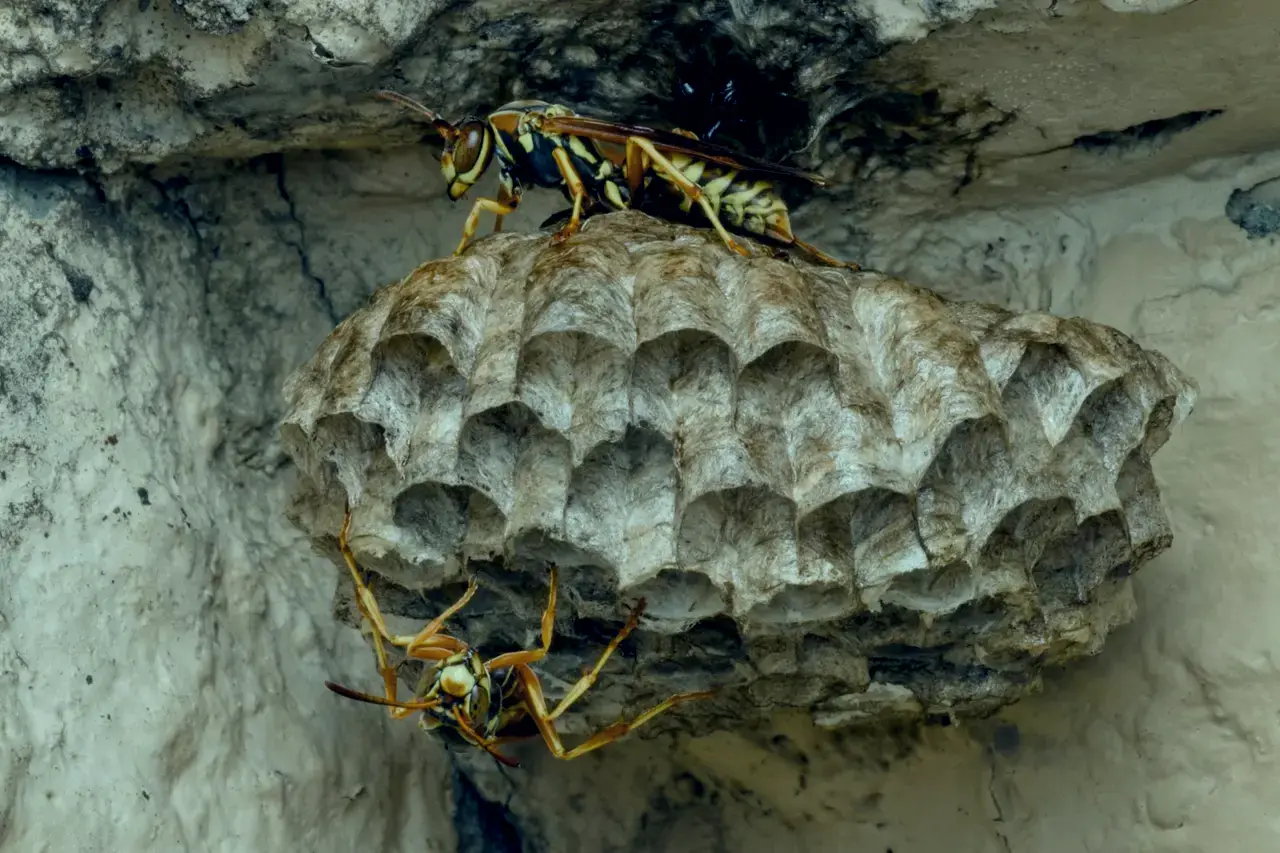
The Texas Department of Agriculture's Structural Pest Control Service licenses pest control businesses, certified applicators and technicians, and publishes current-license lists you can check before work starts. No Lewisville permit for wasp nest removal was found. Texas A&M AgriLife says established yellowjacket and hornet colonies should be handled by professionals and advises against sealing a wall-void entrance until the colony has been eliminated. Tenants report a nest to the manager, who arranges access to common areas, balconies and eaves. This site draws no legal conclusions about landlords, tenants or associations. Honey bees go to a beekeeper on the Texas Apiary Inspection Service list, not this line.
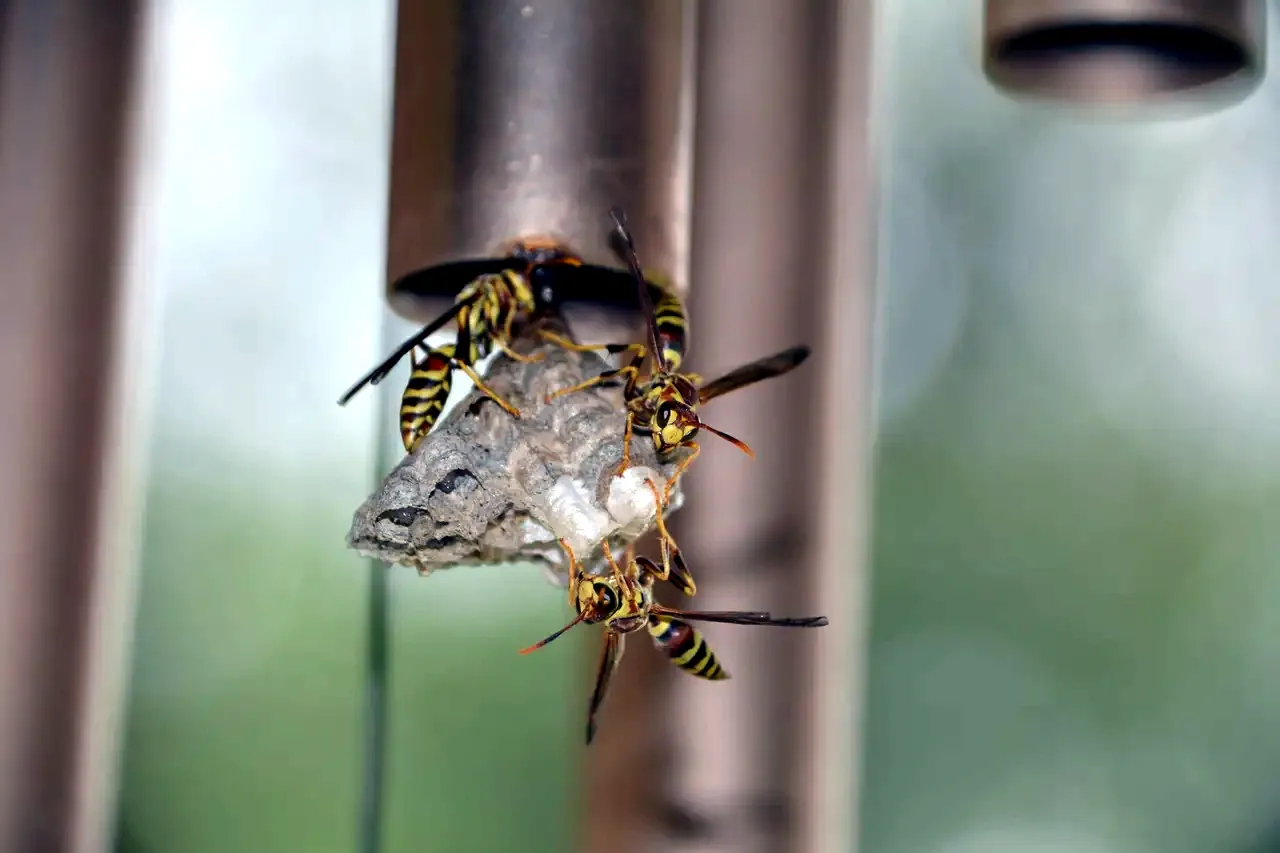
An owner of a few rental units hears about wasps from two different residents on the same side of the building. A provider usually walks that side, treats the nests with confirmed activity and sets a check-back. The owner should ask for written notes per unit and keep every resident's report on file. Results depend on access to each balcony.
A homeowner sees yellowjackets going into the ground right where the yard meets a shared fence and common space. Who arranges work on a shared area depends on the community, so the homeowner asks whether a manager or association looks after it and keeps dated notes and photos. The provider decides whether the other side needs a look too.
Neighbors in a big complex keep telling a renter about new nests on their building. A wider walk-around may find nests nobody mentioned. The provider can treat that side of the building together and check back. The renter reports the nest to the manager in writing and asks how return checks are scheduled and what notes come with them.
This site cannot answer that as a legal question, and it does not say who is responsible for any cost. In practice, tenants report a nest to the property manager, and the manager arranges access to common areas, balconies and eaves. Lease terms and the details of each case matter, so put the report in writing and keep a copy. For a shared space in an HOA community, ask the board or its manager.
A provider usually checks the reported spot and the overhangs, balconies and breezeways around it, then treats each active nest. Yellowjacket wall nests are treated through the opening, which AgriLife says should not be sealed until the colony has been eliminated. Old nests are removed where reachable, and a check-back usually comes next.
It can be, but providers usually want to look at the balconies on each side and above and below first, because paper wasps often build several nests along one face of a building. If the walk-around finds only that nest, treating that balcony alone may do. If nearby overhangs have nests too, expect the provider to suggest adding them.
That depends on the type of nest and how many buildings are involved. A paper wasp nest under a low overhang can be quick, while a wall colony may need treatment and a later visit to close the opening. Whole-complex jobs can run across several days. Ask the provider how long residents should stay clear and when check-backs are planned.
Have a question this page does not answer? Call the referral line and a local provider can explain the options.
Ask a provider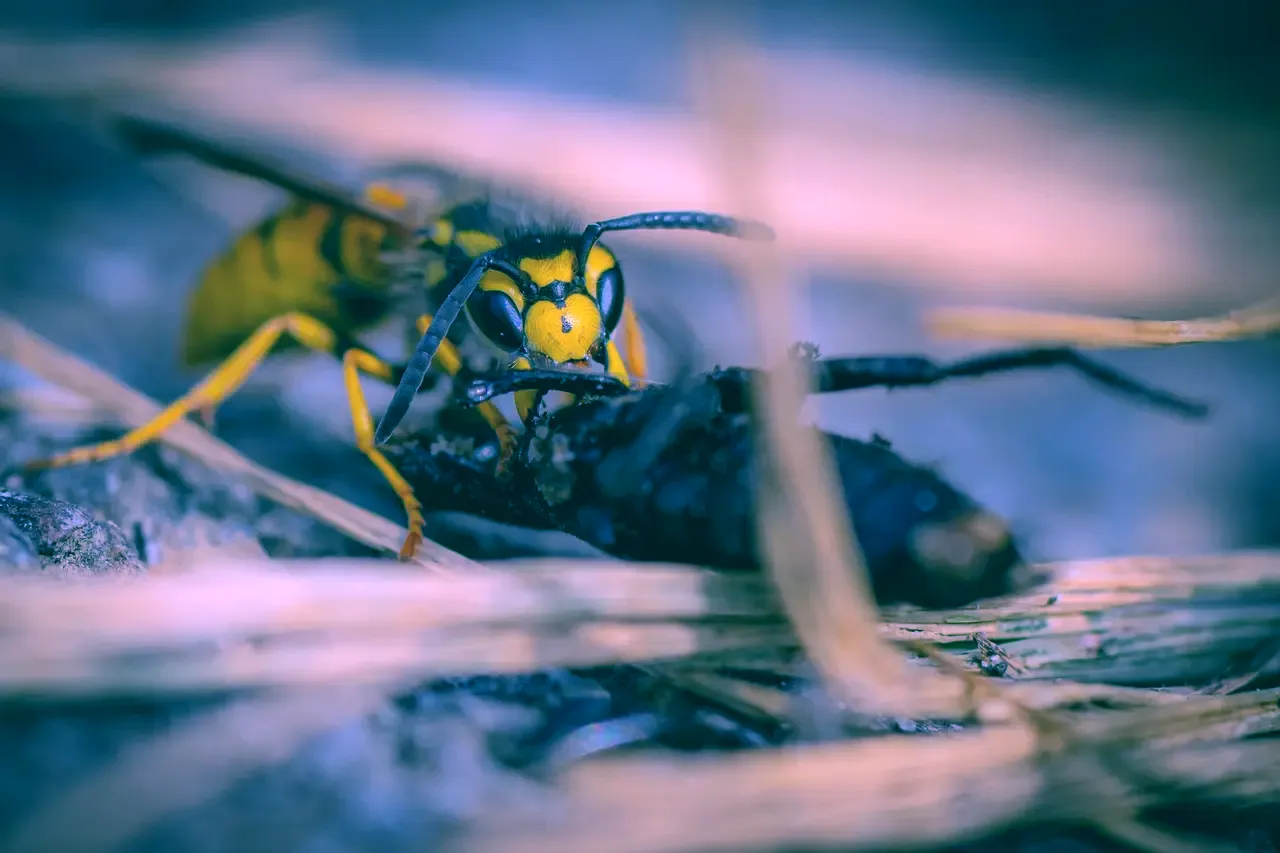
Wasp work starts with knowing the insect. A provider usually identifies whether it is a paper wasp, yellowjacket, baldfaced hornet or mud dauber and finds every nest on the building. Honey bees go to a registered beekeeper instead.
View service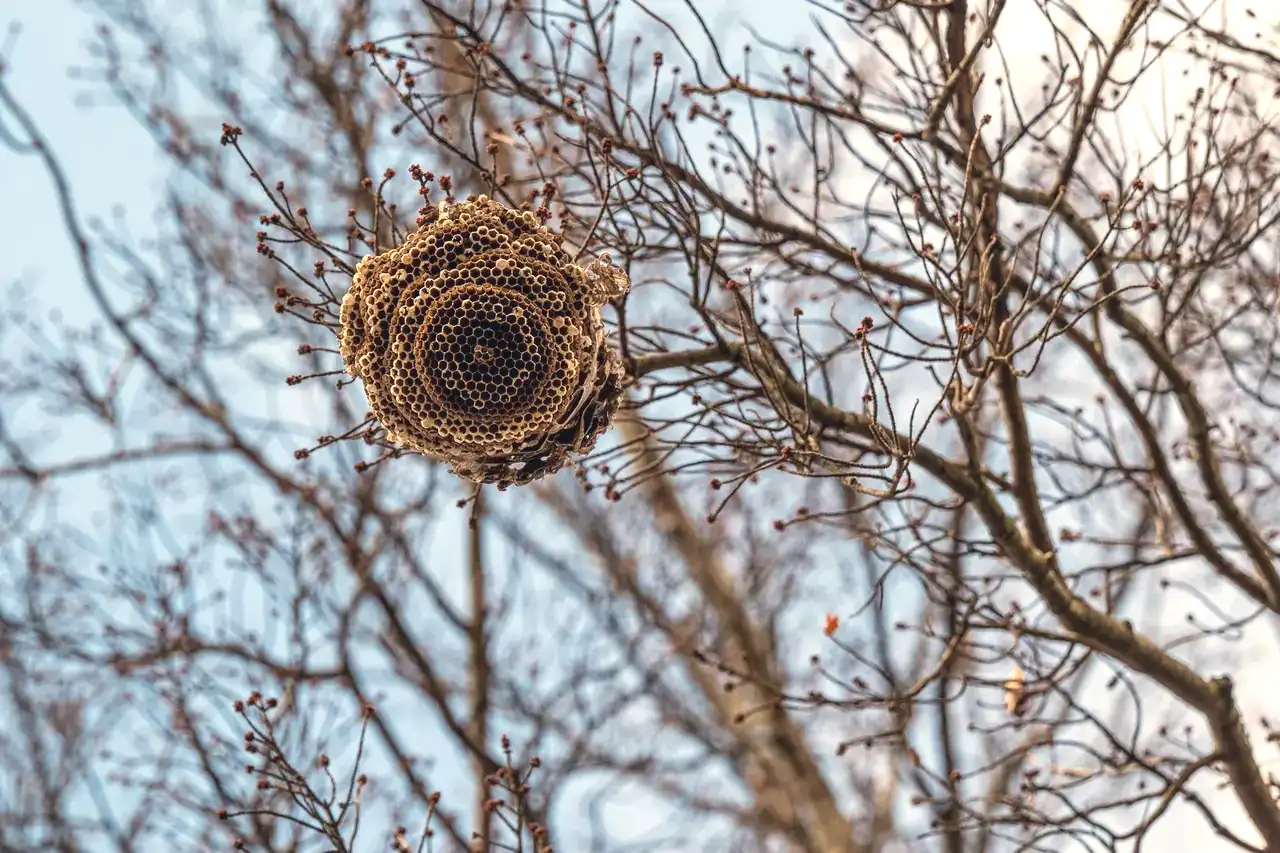
The baldfaced hornet is the only 'hornet' known in Texas and is actually a yellowjacket. Its enclosed paper nests hang in trees and under eaves, and AgriLife says established colonies should be handled by professionals.
View service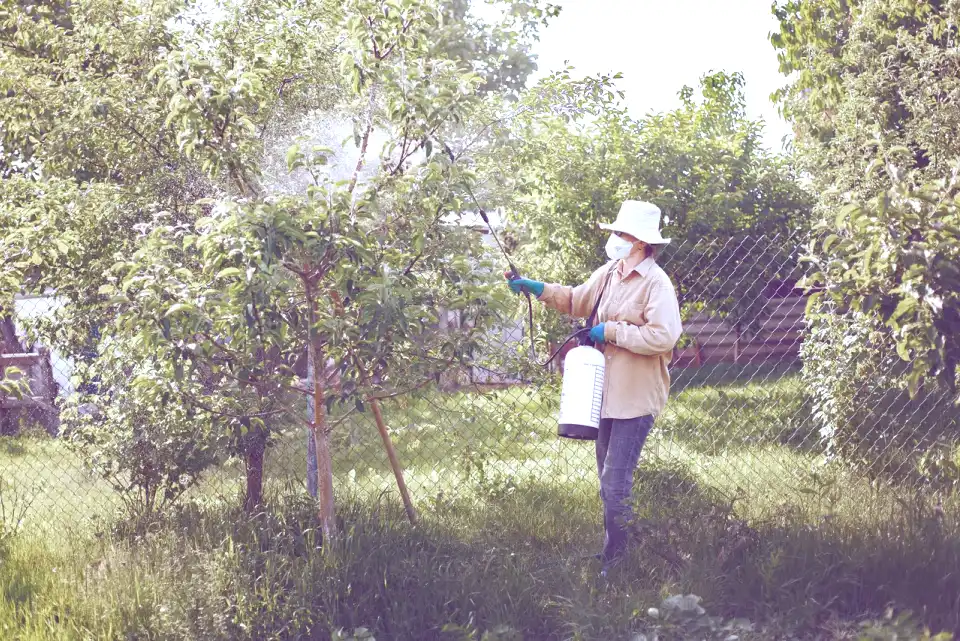
Yellowjacket nests are mostly underground but can be in walls or under eaves, and colonies peak by August or September. Wall entrances are left open until the colony has been eliminated, then closed. Providers apply product at the opening.
View serviceMany providers come back after treatment to confirm the traffic has stopped. Paper wasp queens often rebuild in the same general spot in spring, so a check of eaves, sheds and garages tells you whether a nest is truly gone or just starting over.
View serviceDial the number above and a call-tracking service puts you through to an independent provider that works in Lewisville; the call may be recorded. Calls are connected 6 a.m. to midnight Central Time (7 a.m. to 1 a.m. during daylight saving time). Timing and cost are agreed between you and the provider.